Please ensure Javascript is enabled for purposes of website accessibility

Category: Real Property

  • How Florida Buyers Can Use a Homeowner’s Insurance Addendum

    How Florida Buyers Can Use a Homeowner’s Insurance Addendum

    Table of Contents

    How Buyers Can Protect Themselves with the Homeowner’s Insurance Addendum in Florida

    By Derek M. Jorgensen, Esquire
    Associate Attorney
    Scott, Harris, Bryan, Barra & Jorgensen, P.A.
    Palm Beach County Real Estate Attorneys

    Rising Homeowners Insurance Costs in Florida

    Everyone that lives in Florida knows that our geographic location makes us very susceptible to hurricanes and storms. When combined with massive volumes of insurance litigation and widespread fraud schemes, Floridians have seen the cost of homeowners insurance increase significantly, while coverages have decreased.

    Because of these rising homeowners insurance premiums in Florida, buyers should be cautious when entering into a residential real estate contract.

    The FAR/BAR Contract and Insurance Complications

    When purchasing a home in Florida using a standard FAR/BAR contract, buyers may assume that if complications arise when attempting to obtain homeowner’s insurance, they will not be forced to close on the property without insurance.

    While there are some safeguards in place in the FAR/BAR contract for buyers seeking financing that cannot obtain their loan approval due to insurance complications, in cash deals there are no such contingencies.

    This distinction is critical for Florida cash buyers.

    How a Homeowner’s Insurance Addendum Protects Florida Buyers

    So, what should a cash buyer do to avoid a situation where they cannot obtain insurance prior to closing on their house?

    Buyers can request that a Homeowner’s Insurance Addendum be added to the contract.

    The Homeowner’s Insurance Addendum allows buyers to:

    • Cancel the transaction if they are unable to obtain insurance

    • Cancel if insurance rates exceed a certain premium amount

    This protection is particularly useful for cash buyers who have no safeguards in the event it is determined the home is uninsurable or the premiums are too high.

    Using the Addendum as Negotiation Leverage

    The Homeowner’s Insurance Addendum can also be used strategically.

    It may provide leverage for buyers to:

    • Obtain extensions from sellers to secure insurance

    • Negotiate a lower purchase price if premiums are significantly higher than expected

    Given the volatility of Florida’s insurance market, this can be a valuable contractual tool.

    Protecting Your Deposit in a Florida Real Estate Closing

    The Homeowner’s Insurance Addendum can offer protection to buyers by allowing them to avoid situations where their deposit is at risk due to a home being uninsurable.

    For buyers entering into a Florida real estate closing — particularly cash transactions — including this addendum can provide important contractual safeguards.

    Contact Our Palm Beach County Real Estate Attorneys

    Scott, Harris, Bryan, Barra & Jorgensen, P.A. has been serving Florida real estate clients since 1989. We assist buyers, sellers, and investors with residential real estate closings, contract drafting, and transaction protection strategies.

    Schedule a personalized consultation by calling (561) 624-3900 or completing our online contact form.

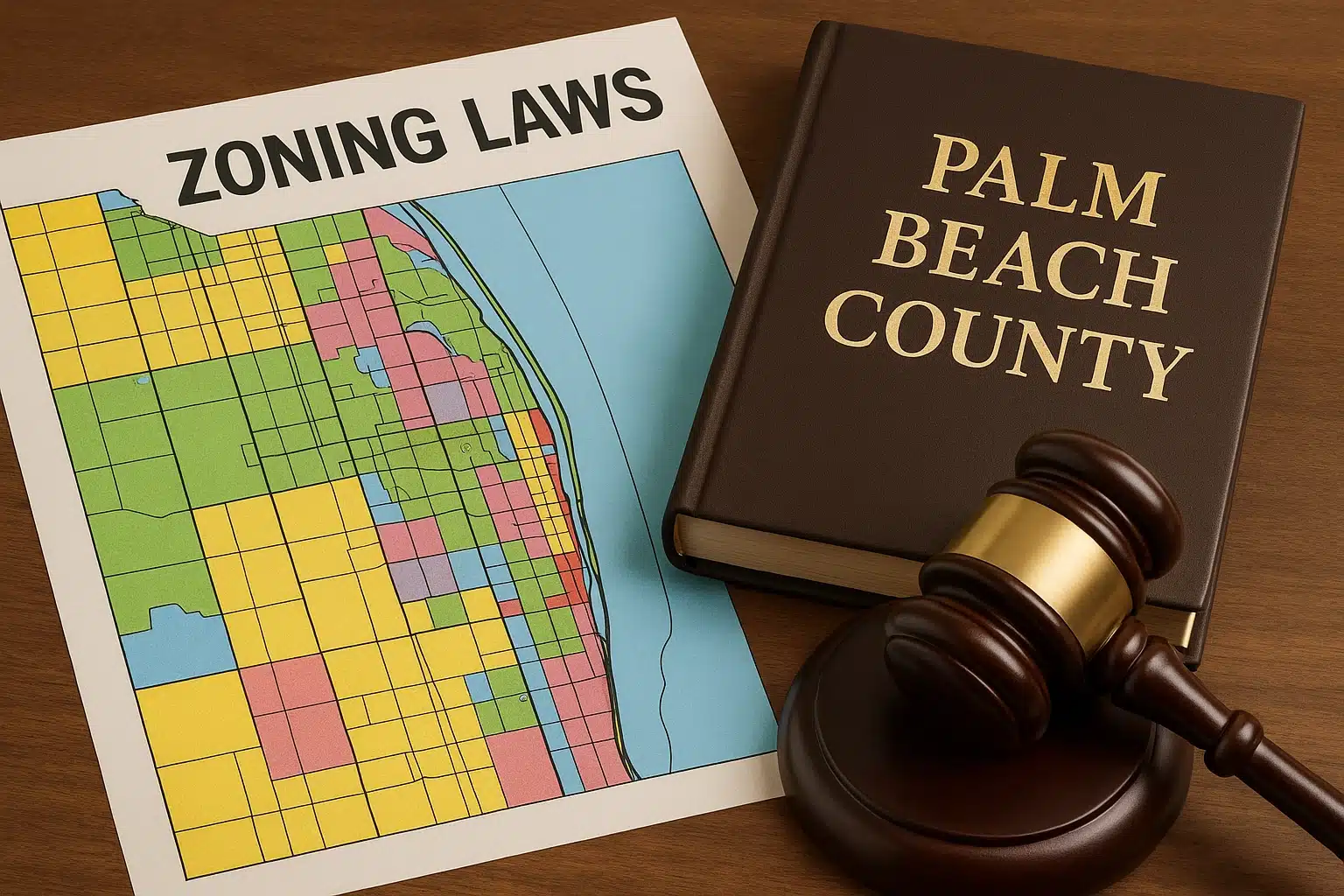
  • Understanding Zoning Laws in Palm Beach County | Investors’ & Developers’ Guide

    Understanding Zoning Laws in Palm Beach County | Investors’ & Developers’ Guide

    Table of Contents

    Understanding Zoning Laws in Palm Beach County: A Guide for Investors & Developers

    By Derek M. Jorgensen, Esquire
    Scott, Harris, Bryan, Barra & Jorgensen, P.A.

    Investing in commercial real estate in Palm Beach County—particularly in growth hubs like West Palm Beach, North Palm Beach, Jupiter Farms, Singer Island, Loxahatchee, and Tequesta—presents exciting opportunities. Yet, to maximize returns and safeguard your investment, a thorough understanding of local zoning laws and regulations is essential. This comprehensive guide delves into zoning classifications, common legal pitfalls, zoning due diligence, zoning amendments, local planning boards, impact fees, environmental zoning considerations, and frequently asked questions and explains why partnering with a commercial real estate attorney like Derek M. Jorgensen or Justin J. Shepard is invaluable.

    The Risks of Misunderstanding Zoning Laws

    Zoning laws dictate how properties can be used within specific regions. Misinterpreting or neglecting these laws can lead to serious legal and financial setbacks, including:

    • Fines and Penalties: Violations of zoning laws can result in substantial fines, which can halt your project or impose significant financial strain.
    • Delays in Development: Noncompliance with zoning regulations can stall project timelines, severely impacting profitability.
    • Forced Modifications or Demolition: Unauthorized structures or uses may require costly adjustments or complete demolition.
    • Litigation: Zoning disputes often escalate into lengthy legal battles, leading to high attorney fees and prolonged uncertainty.

    Without proper legal guidance, minor oversights can quickly escalate into significant roadblocks.

    Zoning Classifications Explained

    Palm Beach County employs various zoning classifications, each with unique property use rules. Common categories include:

    • Residential Zoning: Designated strictly for residential use, limiting commercial activity to protect community integrity.
    • Commercial Zoning: Permits retail, offices, restaurants, and service businesses.
    • Industrial Zoning: Suitable for manufacturing, warehousing, and related industrial activities.
    • Agricultural Zoning: Focused on farming, livestock, and agriculture-related activities.
    • Mixed-Use Zoning: Allows a blend of residential, commercial, and sometimes industrial uses, enhancing community flexibility.
    • Historic Preservation Zoning: Designed to preserve areas of historical significance, limiting alterations to existing structures.

    Investors must understand the specifics of each classification and ensure their intended property use aligns seamlessly with local zoning ordinances.

    Critical Factors in Zoning Compliance & Lease Negotiations

    Effective lease negotiations require meticulous attention to zoning compliance. Essential considerations include:

    • Permitted Uses and Restrictions: Clearly define allowable business activities to avoid future disputes.
    • Future Zoning Changes: Anticipate possible amendments that might affect long-term property viability.
    • Zoning Variances and Exceptions: Understanding how to secure variances or conditional uses when needed legally.
    • Environmental Compliance: Ensure adherence to environmental regulations tied to zoning ordinances, including protection of wetlands and wildlife habitats.

    An experienced commercial lease attorney ensures these critical elements are explicitly addressed within lease agreements.

    Zoning Due Diligence

    Conducting zoning due diligence before purchasing or leasing property is crucial. Key aspects of zoning due diligence include:

    • Zoning Verification: Official confirmation from local authorities that the property’s intended use complies with current zoning laws.
    • Historical Zoning Reviews: Examination of past zoning changes to assess potential future risks or shifts in allowable property uses.
    • Community Planning Insights: Reviewing county and city master plans for clues on future development trends that might impact property valuation or use.

    Zoning Amendments and Variances

    Investors must understand zoning amendments and variances:

    • Zoning Amendments: Official changes in zoning laws typically initiated by local governments to reflect evolving community needs.
    • Zoning Variances: Special permissions allowing property owners to deviate slightly from zoning laws when strict compliance causes hardship without compromising community interests.
    • Conditional Uses: Permissions granted for specific uses that require additional oversight or approval, often including conditions designed to mitigate impact on the surrounding community.

    Role of Local Planning Boards and Commissions

    Local planning boards, such as the Palm Beach County Zoning Commission, play a significant role in zoning decisions. They:

    • Conduct public hearings on zoning changes, variances, and special permissions.
    • Review applications to ensure compliance with comprehensive plans.
    • Provide recommendations to governing bodies for final zoning approvals.

    Understanding and engaging with these boards can facilitate smoother transactions and quicker approvals.

    Impact Fees and Associated Costs

    Zoning significantly impacts local impact fees, including:

    • Transportation Fees: Assessed based on anticipated traffic increases from developments.
    • Education Fees: These fees are charged to residential developments to support school infrastructure.
    • Utility Fees: Applied to cover expansions and improvements of utilities such as water, sewer, and electrical infrastructure.

    Understanding these fees helps in accurate budgeting and determining the financial feasibility of projects.

    Environmental and Conservation Zoning Issues

    Palm Beach County’s zoning laws include environmental and conservation considerations to protect natural habitats and sensitive ecosystems. Restrictions may involve:

    • Limited development near wetlands, coastal areas, or habitats of endangered species.
    • Requirements for environmental impact studies.
    • Implementation of green building practices and sustainable development initiatives.

    Awareness of these restrictions is vital to avoid costly project delays or denials.

    Frequently Asked Questions (FAQs)

    What happens if I violate zoning laws unintentionally?
    Even accidental violations can result in penalties. Immediate consultation with an attorney can help mitigate repercussions.

    Can zoning laws change after I purchase a property?
    Yes. Staying informed about local planning board meetings can help you anticipate potential changes.

    What is a non-conforming use?
    It refers to property use that was once compliant but no longer aligns with current zoning due to changes in law. Such uses are often “grandfathered” but can limit future expansions.

    How do I appeal a zoning decision?
    Appeals must follow specific procedures outlined by local zoning authorities. An attorney can guide you through the appeal process effectively.

    Real-Life Pitfalls in Palm Beach County

    Scenario 1: Retail Expansion in Jupiter Farms

    A business owner expanded retail operations without verifying zoning laws, inadvertently violating residential zoning rules. The business was forced into costly litigation and substantial project delays, facing severe financial loss.

    Scenario 2: Restaurant Development in West Palm Beach

    An investor overlooked mixed-use zoning constraints, assuming broader commercial permissions. The oversight resulted in costly construction adjustments and extended timelines, significantly exceeding initial budgets.

    Scenario 3: Industrial Operation in Loxahatchee

    A manufacturing facility was established without proper zoning permits in an agricultural zone, leading to legal action from the county, heavy fines, and eventual forced relocation.

    Protect Your Investment—Consult with Our Attorneys Today

    Navigating zoning regulations in Palm Beach County demands precise legal insight. At Scott, Harris, Bryan, Barra & Jorgensen, P.A., Derek M. Jorgensen and Justin J. Shepard provide comprehensive guidance, ensuring your commercial real estate ventures comply fully with local zoning laws. Serving communities including West Palm Beach, North Palm Beach, Jupiter Farms, Singer Island, Loxahatchee, and Tequesta, our attorneys are dedicated to safeguarding your investment.

    Don’t leave zoning compliance to chance. Schedule a consultation today with Derek M. Jorgensen or Justin J. Shepard, and gain the peace of mind your investment deserves.

  • HOA Foreclosure Sales in Florida: Understanding Risks, Liens, and Legal Considerations

    HOA Foreclosure Sales in Florida: Understanding Risks, Liens, and Legal Considerations

    Table of Contents

    HOA Foreclosure Sales in Florida: A Legal Perspective on Risks and Liabilities

    By John M. Jorgensen, Esquire
    Partner
    Scott, Harris, Bryan, Barra & Jorgensen, P.A.

    Understanding the HOA Foreclosure Process

    Homeowners’ associations (HOAs) in Florida have the authority to file liens against property owners who fail to pay assessments. If the delinquency continues after a lien has been recorded, the HOA may enforce its rights by initiating a foreclosure action, much like a mortgage lender.

    Once a final judgment is entered, a foreclosure sale date is scheduled. These sales, now primarily conducted online in most Florida counties, provide an opportunity for investors and homebuyers to acquire properties. However, a critical distinction must be made between HOA foreclosures and traditional mortgage foreclosures, as failing to recognize these differences can result in costly mistakes.

    How HOA Liens Work and What Buyers Should Know

    HOA liens are often subordinate to other encumbrances, such as first and second mortgages. This has significant legal and financial implications for potential buyers:

    • An HOA foreclosure does not eliminate superior liens attached to the property.
    • The high bidder at an HOA foreclosure sale takes the title subject to any remaining mortgage obligations.
    • The foreclosure sale price may appear significantly lower than the property’s market value, but this does not reflect any existing encumbrances the new owner must assume.

    Without careful due diligence, a buyer may unknowingly acquire a property burdened with a substantial mortgage balance, making what appeared to be a profitable investment an unforeseen financial liability.

    The Risk of Superior Liens: What Buyers Often Overlook

    A common misconception among foreclosure buyers is that acquiring a property at an HOA auction results in ownership free and clear of prior obligations. In reality, many properties purchased at HOA foreclosure sales are still subject to preexisting superior liens, including:

    • First mortgages
    • Second mortgages
    • Tax liens
    • Judgment liens

    Under Florida law, HOAs cannot foreclose on superior liens. Consequently, the new owner remains responsible for these obligations.

    For example, a buyer who purchases a property at an HOA foreclosure auction for $20,000 may later discover that the home remains encumbered by an outstanding $200,000 mortgage. Failure to recognize this before bidding can lead to financial losses and legal challenges.

    Why a Title Search Is Essential Before Bidding

    A comprehensive title search is essential before participating in any foreclosure auction. This process allows prospective buyers to:

    • Determine whether existing mortgages, tax liens, or other encumbrances will survive the foreclosure sale.
    • Identify any legal defects or title issues that could impact ownership rights.
    • Avoid costly surprises by ensuring the property is not burdened with undisclosed financial liabilities.

    Foreclosure auctions operate under a strict “buyer beware” principle. Once a bid is accepted and the sale is finalized, the purchaser is legally bound by the terms of the transaction, regardless of whether they were aware of superior liens.

    Avoiding Risk: The Importance of Legal Counsel in Foreclosure Transactions

    Florida’s foreclosure market attracts experienced investors who understand how to navigate the complexities of HOA lien enforcement. Those unfamiliar with the process may be at a disadvantage.

    Before considering an HOA foreclosure purchase, prospective buyers should consult with an experienced real estate attorney. Legal counsel can:

    • Conduct a thorough title search to identify potential risks.
    • Provide guidance on lien priority and ownership implications.
    • Offer strategic advice on whether a particular property is a viable investment.

    The attorneys at Scott, Harris, Bryan, Barra & Jorgensen, P.A. have extensive experience advising clients on foreclosure sales, property liens, and real estate transactions throughout Palm Beach County. If you are considering purchasing a property at an HOA foreclosure auction, contact our office to ensure you are making an informed decision.

    About the Author

    John M. Jorgensen, Esquire, is a partner at Scott, Harris, Bryan, Barra & Jorgensen, P.A. With extensive experience in real estate law, foreclosure disputes, and property litigation, he advises clients on complex legal matters involving HOA liens, title disputes, and real estate transactions throughout Florida.

Protected By
WebPro360 ShieldPRO