Please ensure Javascript is enabled for purposes of website accessibility

Category: Business Law

  • Florida CHOICE Act: New Rules for Noncompete & Garden Leave Agreements

    Florida CHOICE Act: New Rules for Noncompete & Garden Leave Agreements

    Table of Contents

    By: Nicholas Zillier, Esq.

    New Legislation: Florida Employment Agreements

    Legislation authorizing certain types of employment agreements recently passed in the Florida Legislature; becoming law on July 1, 2025. This legislation created the Contracts Honoring Opportunity, Investment, Confidentiality, and Economic Growth (CHOICE) Act; intended to protect confidential information and business relationships by allowing employers and employees to enter into noncompete and garden leave agreements under certain circumstances.

    Background: Noncompete and Garden Leave Agreements

    Contracts that restrain trade or competition among businesses are generally unlawful in Florida. Yet, Florida law has long permitted employers and employees to enter into noncompete covenants of reasonable scope and duration. To enforce such covenants, the party seeking enforcement—usually a former employer—must demonstrate to a court that the restriction is justified by a legitimate business interest (i.e., trade secrets or other confidential information, business relationships and goodwill, etc.) When enforcing noncompete covenants, courts will typically place limits on duration and geographic scope to prevent the unreasonable restriction of future employment. So, in practice, a noncompete covenant will usually be effective only for a limited time and within a certain area.

    A “garden leave” agreement is a type of employment agreement that involves noncompete covenants. Under a garden leave agreement, an employee remains employed—receiving the same compensation and benefits, but has their access to co-workers and company facilities restricted. An employee on garden leave will also be prohibited from working with competitors. Garden leave agreements are most common in industries that rely on trade secrets or confidential information.

    FTC Ruling on Noncompete Agreements

    In April of 2024, the Federal Trade Commission (FTC) issued a nationwide ban on all noncompete agreements, which was set to take effect in September of 2024. (See Understanding the New FTC Ruling on Florida Noncompete Agreements by J. M. Jorgensen, published to this site June 14, 2024). This ruling promised to remove the obstacles to employment that are caused by noncompete agreements.

    However, this prohibition has not yet taken effect in the State of Florida.

    On August 14, 2024, the United States District Court for the Middle District of Florida entered a limited injunction preventing enforcement of the FTC’s new rule—holding that it exceeds the authority granted to the FTC by Congress. Pending further adjudication of the matter, the FTC will have no authority to invalidate noncompete agreements in Florida.

    The CHOICE Act was enacted in response to the FTC’s new rule, and represents an effort by the Florida Legislature to preserve certain reasonable noncompete agreements. This is intended to benefit Florida’s businesses by protecting their confidential information and their investment in personnel.

    Effect of New Legislation

    The CHOICE Act applies to “covered employees,” i.e., any employee or individual contractor who either earns or is reasonably expected to earn a salary greater than twice the annual mean wage, or who has access to his or her employer’s or client’s confidential information or customer relationships (a “covered employer” is any entity or individual who employs or engages a covered employee). Under the CHOICE Act, covered employees and covered employers may enter into covered noncompete or covered garden leave agreements; which are presumed not to violate public policy in Florida. This means that covered noncompete and garden leave agreements will generally be enforced by the Florida courts. To be “covered,” the noncompete or garden leave agreement must meet the criteria set out below.

    Covered Noncompete Agreements

    A “covered noncompete agreement” cannot exceed 4 years in duration, and must be limited to a specified geographic area. During the agreed-upon noncompete period—which commences upon termination of employment, a covered employee cannot seek employment with any competitor of the covered employer.

    Under the CHOICE Act, covered noncompete agreements of limited duration and geographic scope do not violate public policy provided that:

    (1)        the covered employee was advised to seek counsel in writing;

    (2)        the covered employee acknowledged the receipt of confidential information or customer relationships in writing; and

    (3)        the covered noncompete agreement is reduced according to any time spent not working while subject to a covered garden leave agreement (see below).

    Courts will enforce covered noncompete agreements by preventing the covered employee from providing services to competitors; unless the covered employee can prove that the covered noncompete agreement should not be enforced.


    Covered Garden Leave Agreements

    In a “covered garden leave agreement,” the covered employer agrees to provide advance notice (of up to 4 years) before terminating their contract with the covered employee. In exchange, the covered employee agrees not to resign during the “notice period” (from the date of notice to the termination date).

    During the notice period, the covered employer retains the covered employee and continues to provide the salary and benefits of employment; although the covered employee need not continue working.

    Under the CHOICE Act, covered garden leave agreements do not violate public policy provided that:

    (1)        the covered employee was advised to seek counsel in writing;

    (2)        the covered employee acknowledged the receipt of confidential information or customer relationships in writing; and

    (3)        the agreement provides that:

    (a)        after the first 90 days of the notice period, the covered employee is not required to provide services to the covered employer;

    (b)        the covered employee may engage in nonwork activities at any time during the remainder of the notice period;

    (c)        the covered employee may, with permission from the covered employer, work for another employer during the notice period;

    (d)        the covered employer may reduce the notice period by providing 30 days’ advance notice in writing.

    Courts will enforce covered garden leave agreements by preventing the covered employee from providing services to competitors (and by preventing competitors from engaging the covered employee) during the notice period; unless the covered employee can prove that the covered garden leave agreement should not be enforced.

    Practical Implications

    Employers who wish to protect their confidential and proprietary information, and anyone seeking employment in roles involving such information, should familiarize themselves with this new legislation before entering into a new employment agreement; as it will impact the rights and remedies available upon termination of employment.

    Protect Your Business with Experienced Legal Counsel

    Employment agreements involving noncompete and garden leave provisions carry significant legal and financial consequences. Florida’s new CHOICE Act introduces expanded enforcement standards that employers and covered employees should understand before entering into, enforcing, or challenging these agreements.

    For tailored legal guidance regarding noncompete agreements, garden leave provisions, or employment contracts governed by Florida law, contact an experienced business law attorney at Scott, Harris, Bryan, Barra & Jorgensen, P.A.

    To protect your business interests and ensure compliance with Florida’s evolving employment laws, contact our Palm Beach Gardens office today. Schedule a personalized consultation by calling (561) 624-3900 or completing our online contact form.

  • The Role of a Commercial Lease Attorney in Florida | Protecting Your Investment

    The Role of a Commercial Lease Attorney in Florida | Protecting Your Investment

    Table of Contents

    The Role of a Commercial Lease Attorney: Protecting Your Business Investment in Florida

    By Justin J. Shepard, Esquire
    Scott, Harris, Bryan, Barra & Jorgensen, P.A

    When you invest in commercial real estate in Florida, particularly in thriving business communities such as West Palm Beach, North Palm Beach, or Tequesta, securing a favorable lease agreement is crucial. A skilled commercial lease attorney does more than just review paperwork; they serve as a strategic partner dedicated to protecting your business interests and ensuring your long-term success.

    The Risks of Navigating Commercial Leases Without an Attorney

    Attempting to handle commercial lease negotiations without professional legal guidance can expose your business to numerous unnecessary risks. Florida lease agreements can be complex, filled with specific clauses and legal terminology that, if misunderstood, may lead to significant financial repercussions. Common risks include:

    • Hidden Fees and Expenses: Without a thorough legal review, hidden fees or unexpected costs buried in complex clauses can surface, severely impacting your budget.
    • Unfavorable Terms: Lengthy lease terms, automatic renewals, or unfair termination clauses might trap your business in less-than-ideal situations.
    • Legal Compliance: Overlooking zoning restrictions, local Palm Beach County codes, or Florida state regulations could lead to hefty fines or even litigation.

    Navigating these complexities alone can jeopardize your investment and business stability.

    Key Points in Lease Negotiations

    When negotiating commercial lease agreements in Florida, several critical factors must be carefully examined with the assistance of an experienced commercial lease attorney:

    • Rental Terms and Renewals: Ensuring flexibility in lease terms can protect your business against market fluctuations or changing business needs.
    • Maintenance and Repairs: Clearly defining responsibilities can prevent unexpected disputes or financial burdens.
    • Termination and Exit Strategies: Establishing fair termination terms safeguards your business if circumstances change unexpectedly.
    • Tenant Improvements: Negotiating favorable conditions for property modifications ensures your business can adapt space effectively without prohibitive restrictions or costs.

    Case Examples: Common Pitfalls without a Commercial Lease Attorney

    Consider the scenario of a growing retail business owner in North Palm Beach who signed a commercial lease without legal guidance. Hidden within the fine print were clauses obligating the tenant to costly structural repairs typically handled by the landlord. Facing unexpected expenses, the tenant’s business struggled financially, demonstrating the costly consequences of bypassing professional legal review.

    In another case, a startup in Tequesta hastily signed a lease agreement that contained restrictive renewal terms. When the business expanded and required additional space, inflexible lease terms restricted their growth, forcing expensive renegotiations and relocation.

    These real-life scenarios highlight how crucial professional oversight is in safeguarding your business investment.

    Why a Commercial Lease Attorney Matters in Florida

    Having a qualified commercial lease attorney at your side during lease negotiations provides distinct advantages:

    • Customized Negotiations: Attorneys tailor negotiations specifically to your business needs, ensuring the most favorable terms.
    • Risk Mitigation: They identify and minimize potential risks, safeguarding your investment.
    • Legal Advocacy: A dedicated legal expert ensures your rights and interests are represented vigorously, especially in disputes or litigation scenarios.

    Protect Your Investment—Consult Our Commercial Lease Attorneys Today

    At Scott-Harris, our experienced commercial real estate attorneys, Derek M. Jorgensen and Justin J. Shepard, are committed to safeguarding your business interests. Serving businesses across West Palm Beach, North Palm Beach, Tequesta, and surrounding areas, we ensure that your lease agreements protect your interests and align with your long-term goals.

    Don’t leave your business future to chance. Schedule a Consultation with Derek M. Jorgensen or Justin J. Shepard today and secure expert guidance for your commercial lease negotiations.
  • Understanding Zoning Laws in Palm Beach County | Investors’ & Developers’ Guide

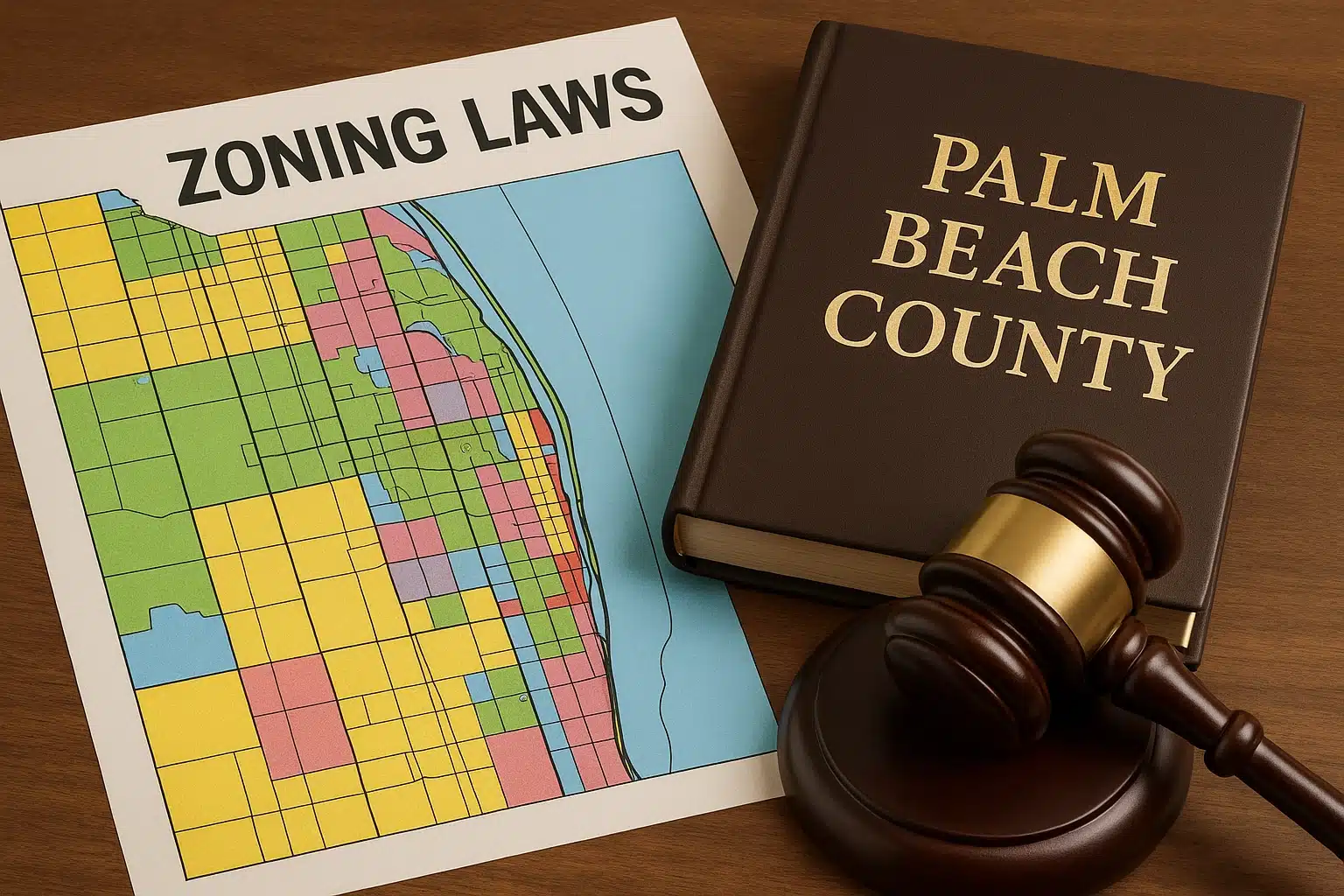
    Understanding Zoning Laws in Palm Beach County | Investors’ & Developers’ Guide

    Table of Contents

    Understanding Zoning Laws in Palm Beach County: A Guide for Investors & Developers

    By Derek M. Jorgensen, Esquire
    Scott, Harris, Bryan, Barra & Jorgensen, P.A.

    Investing in commercial real estate in Palm Beach County—particularly in growth hubs like West Palm Beach, North Palm Beach, Jupiter Farms, Singer Island, Loxahatchee, and Tequesta—presents exciting opportunities. Yet, to maximize returns and safeguard your investment, a thorough understanding of local zoning laws and regulations is essential. This comprehensive guide delves into zoning classifications, common legal pitfalls, zoning due diligence, zoning amendments, local planning boards, impact fees, environmental zoning considerations, and frequently asked questions and explains why partnering with a commercial real estate attorney like Derek M. Jorgensen or Justin J. Shepard is invaluable.

    The Risks of Misunderstanding Zoning Laws

    Zoning laws dictate how properties can be used within specific regions. Misinterpreting or neglecting these laws can lead to serious legal and financial setbacks, including:

    • Fines and Penalties: Violations of zoning laws can result in substantial fines, which can halt your project or impose significant financial strain.
    • Delays in Development: Noncompliance with zoning regulations can stall project timelines, severely impacting profitability.
    • Forced Modifications or Demolition: Unauthorized structures or uses may require costly adjustments or complete demolition.
    • Litigation: Zoning disputes often escalate into lengthy legal battles, leading to high attorney fees and prolonged uncertainty.

    Without proper legal guidance, minor oversights can quickly escalate into significant roadblocks.

    Zoning Classifications Explained

    Palm Beach County employs various zoning classifications, each with unique property use rules. Common categories include:

    • Residential Zoning: Designated strictly for residential use, limiting commercial activity to protect community integrity.
    • Commercial Zoning: Permits retail, offices, restaurants, and service businesses.
    • Industrial Zoning: Suitable for manufacturing, warehousing, and related industrial activities.
    • Agricultural Zoning: Focused on farming, livestock, and agriculture-related activities.
    • Mixed-Use Zoning: Allows a blend of residential, commercial, and sometimes industrial uses, enhancing community flexibility.
    • Historic Preservation Zoning: Designed to preserve areas of historical significance, limiting alterations to existing structures.

    Investors must understand the specifics of each classification and ensure their intended property use aligns seamlessly with local zoning ordinances.

    Critical Factors in Zoning Compliance & Lease Negotiations

    Effective lease negotiations require meticulous attention to zoning compliance. Essential considerations include:

    • Permitted Uses and Restrictions: Clearly define allowable business activities to avoid future disputes.
    • Future Zoning Changes: Anticipate possible amendments that might affect long-term property viability.
    • Zoning Variances and Exceptions: Understanding how to secure variances or conditional uses when needed legally.
    • Environmental Compliance: Ensure adherence to environmental regulations tied to zoning ordinances, including protection of wetlands and wildlife habitats.

    An experienced commercial lease attorney ensures these critical elements are explicitly addressed within lease agreements.

    Zoning Due Diligence

    Conducting zoning due diligence before purchasing or leasing property is crucial. Key aspects of zoning due diligence include:

    • Zoning Verification: Official confirmation from local authorities that the property’s intended use complies with current zoning laws.
    • Historical Zoning Reviews: Examination of past zoning changes to assess potential future risks or shifts in allowable property uses.
    • Community Planning Insights: Reviewing county and city master plans for clues on future development trends that might impact property valuation or use.

    Zoning Amendments and Variances

    Investors must understand zoning amendments and variances:

    • Zoning Amendments: Official changes in zoning laws typically initiated by local governments to reflect evolving community needs.
    • Zoning Variances: Special permissions allowing property owners to deviate slightly from zoning laws when strict compliance causes hardship without compromising community interests.
    • Conditional Uses: Permissions granted for specific uses that require additional oversight or approval, often including conditions designed to mitigate impact on the surrounding community.

    Role of Local Planning Boards and Commissions

    Local planning boards, such as the Palm Beach County Zoning Commission, play a significant role in zoning decisions. They:

    • Conduct public hearings on zoning changes, variances, and special permissions.
    • Review applications to ensure compliance with comprehensive plans.
    • Provide recommendations to governing bodies for final zoning approvals.

    Understanding and engaging with these boards can facilitate smoother transactions and quicker approvals.

    Impact Fees and Associated Costs

    Zoning significantly impacts local impact fees, including:

    • Transportation Fees: Assessed based on anticipated traffic increases from developments.
    • Education Fees: These fees are charged to residential developments to support school infrastructure.
    • Utility Fees: Applied to cover expansions and improvements of utilities such as water, sewer, and electrical infrastructure.

    Understanding these fees helps in accurate budgeting and determining the financial feasibility of projects.

    Environmental and Conservation Zoning Issues

    Palm Beach County’s zoning laws include environmental and conservation considerations to protect natural habitats and sensitive ecosystems. Restrictions may involve:

    • Limited development near wetlands, coastal areas, or habitats of endangered species.
    • Requirements for environmental impact studies.
    • Implementation of green building practices and sustainable development initiatives.

    Awareness of these restrictions is vital to avoid costly project delays or denials.

    Frequently Asked Questions (FAQs)

    What happens if I violate zoning laws unintentionally?
    Even accidental violations can result in penalties. Immediate consultation with an attorney can help mitigate repercussions.

    Can zoning laws change after I purchase a property?
    Yes. Staying informed about local planning board meetings can help you anticipate potential changes.

    What is a non-conforming use?
    It refers to property use that was once compliant but no longer aligns with current zoning due to changes in law. Such uses are often “grandfathered” but can limit future expansions.

    How do I appeal a zoning decision?
    Appeals must follow specific procedures outlined by local zoning authorities. An attorney can guide you through the appeal process effectively.

    Real-Life Pitfalls in Palm Beach County

    Scenario 1: Retail Expansion in Jupiter Farms

    A business owner expanded retail operations without verifying zoning laws, inadvertently violating residential zoning rules. The business was forced into costly litigation and substantial project delays, facing severe financial loss.

    Scenario 2: Restaurant Development in West Palm Beach

    An investor overlooked mixed-use zoning constraints, assuming broader commercial permissions. The oversight resulted in costly construction adjustments and extended timelines, significantly exceeding initial budgets.

    Scenario 3: Industrial Operation in Loxahatchee

    A manufacturing facility was established without proper zoning permits in an agricultural zone, leading to legal action from the county, heavy fines, and eventual forced relocation.

    Protect Your Investment—Consult with Our Attorneys Today

    Navigating zoning regulations in Palm Beach County demands precise legal insight. At Scott, Harris, Bryan, Barra & Jorgensen, P.A., Derek M. Jorgensen and Justin J. Shepard provide comprehensive guidance, ensuring your commercial real estate ventures comply fully with local zoning laws. Serving communities including West Palm Beach, North Palm Beach, Jupiter Farms, Singer Island, Loxahatchee, and Tequesta, our attorneys are dedicated to safeguarding your investment.

    Don’t leave zoning compliance to chance. Schedule a consultation today with Derek M. Jorgensen or Justin J. Shepard, and gain the peace of mind your investment deserves.

  • Secure Success with a South Florida Business Sale Attorney

    Secure Success with a South Florida Business Sale Attorney

    Selling a business in South Florida? You’ll want to get familiar with what a South Florida business sale attorney can do for you. In this article, we’ve gathered hands-on tips directly from the crossroads of legal knowledge and business acumen.

    Exploring the distinct regulations that oversee business sales in the vibrant landscape of South Florida is our next adventure. Plus, we talk about why nailing your valuation matters and how thorough audits save you headaches later.

    You’ll learn how a knowledgeable attorney not only helps keep things above board but also steers negotiations in your favor. By the end, you’ll know exactly what paperwork needs crossing off before celebrating success. Let’s ensure you’re fully prepped to navigate these intricate waters with ease.

    Table Of Contents:

    State-Specific Laws and Regulations

    In South Florida, selling a business isn’t just about finding the right buyer. Moreover, it involves maneuvering around a complex labyrinth of localized statutes and directives that could either facilitate your transaction or completely derail it. Whether it’s understanding Florida business law, getting to grips with real estate implications, or ensuring all legal steps are covered, local knowledge is non-negotiable.

    This complexity underscores why many turn to a seasoned South Florida business sale attorney. They’re not just lawyers; they’re navigators in the complex waters of The Palm Beaches’ bustling market scene and beyond.

    Preparing Your Business for Sale

    The Importance of Accurate Business Valuation

    Knowing your business’s worth is key to setting the right asking price. An experienced valuator can give you an objective view, considering assets, earnings, and market conditions. Valuing your enterprise transcends mere arithmetic; it involves grasping the unique elements that make it attractive to prospective purchasers.

    Conducting Thorough Financial and Legal Audits

    Examining your enterprise meticulously through audits unveils the intricacies of its functioning prior to it being examined by potential purchasers. By resolving any legal or financial issues early on, you make sure there are no deal-breakers lurking in the shadows. Moreover, being open and clear with potential purchasers fosters a sense of confidence in them.

    The Crucial Role of a Business Sale Attorney

    When you’re selling your business in South Florida, having a seasoned business sale attorney by your side is not just helpful; it’s essential. These knowledgeable attorneys ensure that every step of the sales process adheres to state-specific laws and regulations.

    Drafting Comprehensive Legal Documents

    Navigating the maze of legal documents required for a business sale can be daunting. A skilled lawyer will meticulously prepare and scrutinize the paperwork, ensuring your rights are safeguarded in accordance with Florida’s legal standards.

    This includes everything from purchase agreements to non-disclosure agreements and promissory notes. Their focus ensures that no detail is overlooked, safeguarding both parties involved in the transaction.

    Leveraging Legal Knowledge in Negotiations

    Negotiating well goes beyond merely securing your desires; it involves striking a balanced compromise that leaves both the purchaser and seller feeling content. Here, an experienced attorney becomes invaluable.

    Experienced lawyers provide essential advice, bridging differences and securing agreeable terms that respect both the law and equity. This strategic guidance often leads to smoother transactions and more successful outcomes for all involved.

    Ensuring Smooth Closing Procedures

    The closing process of a business sale is like navigating through the final level of a complex maze. Your South Florida business sale attorney plays the guide, ensuring all closing documents and legal formalities are meticulously prepared and reviewed. This includes drafting purchase agreements that reflect the agreed terms accurately.

    Advising on transitioning the business smoothly to new ownership while keeping an eye on any post-sale legal considerations is crucial. It’s all about making sure everyone sticks to their end of the bargain, dodging any future squabbles that might pop up.

    Avoiding Common Pitfalls in Business Sales

    In the complex landscape of South Florida’s business sale regulations, being aware of potential pitfalls is equally important as grasping the necessary steps toward achieving success. Even the most lucrative transactions can stumble over typical stumbling blocks.

    Mistakes like underestimating the importance of accurate valuation or skipping thorough financial and legal audits are frequent errors sellers make. These missteps not only jeopardize a deal but also affect the final sale price negatively.

    Additionally, overlooking state-specific laws and regulations can lead to compliance issues that might halt a sale altogether. That’s why seeking advice from an experienced South Florida business sale attorney becomes indispensable.

    Essential Legal Documents for Selling Your Business

    It’s also about having all your legal ducks in a row, especially when it comes to essential documents. These include purchase agreements that outline the sale terms, operating agreements which detail how the business runs, non-disclosure agreements to protect sensitive information, and promissory notes for any seller-financed part of the deal.

    Every single piece of paperwork holds its own weight in the grand scheme. Purchase agreements seal the deal; operating agreements let buyers understand what they’re getting into; non-disclosure agreements keep trade secrets safe during negotiations; and promissory notes ensure sellers get paid if financing is involved.

    Post-Sale Transitioning

    When you sell your business, it’s more than just passing on the baton; there’s a whole new chapter to explore, particularly with the tax nuances that follow. Many sellers overlook tax implications that can significantly impact their finances post-sale, and they should consult with their accountants.

    Grasping the nuances of tax obligations post-sale involves comprehending the various tax liabilities that could arise. Factors like capital gains tax, state-specific laws in South Florida, and how the sale was structured (asset sale vs. stock sale) play crucial roles in determining your final tax bill.

    Reaching out to seasoned attorneys can ease the shock of transition, safeguarding against unforeseen fiscal weights.

    Legal Services Beyond Business Sales

    Selling your business in South Florida isn’t the end of the road. There’s a whole landscape of legal services that can benefit you post-sale. Navigating through property deals to sorting out worker disagreements, these offerings span a wide array of areas.

    Consider this: After selling your West Palm Beach-based enterprise, you might dive into real estate investments or even start another company. Legal knowledge in entity formation and drafting non-compete agreements becomes invaluable then.

    Lawyers not only help with the deal-making process but also navigate through tax consequences and make sure you’re following Florida’s business regulations as things change. It’s about making sure every step is legally sound—before and after the sale.

    Conclusion

    A South Florida business sale attorney is key. They navigate the unique laws, ensuring everything’s legit and leaning in your favor.

    Valuation matters; it sets your price right. Audits matter; they clear up any mess before it starts.

    Negotiations? Your attorney’s got that. And when closing time comes, they’re making sure every ‘i’ is dotted.

    Don’t stumble on common pitfalls. Let legal guidance light the way through this complex maze to a successful deal close.

    Remember: from valuation to negotiations and finally sealing the deal, having an experienced hand makes all the difference. Ready for success?

    Schedule Your Free Consultation Today

    Navigate your business sale with precision and confidence. Schedule a free consultation with our seasoned business law attorney, Derek M. Jorgensen. Whether you’re pondering the sale of your business, navigating legal complexities, or targeting a smooth transaction in South Florida, our experienced lawyers are committed to making your venture’s transition flawless and your interests protected. Start your path to a successful business sale today.

    Request Your Free Consultation Today

Click to access the login or register cheese
x  Powerful Protection for WordPress, from Shield Security
This Site Is Protected By
WebPro360 ShieldPRO